
Owlfy is an AI operating system — not another prompt box.
You don't write instructions for Owlfy. You state an outcome. Owlfy figures out the rest: what you meant, which agents and skills to call, in what order, and how to get the finished result back onto your desktop.
Every AI tool on the market still asks you to do the hard part yourself: turn a fuzzy idea into a clean, structured request before the machine will even try. OpenClaw, the open-source desktop agent framework, is no exception — it executes powerful workflows, but only after you've typed a fully-formed, technically correct command. Owlfy removes that step entirely. It is built as an AI operating system: a layer that sits between your raw intent and the work that gets done, so you never have to think in prompts again.
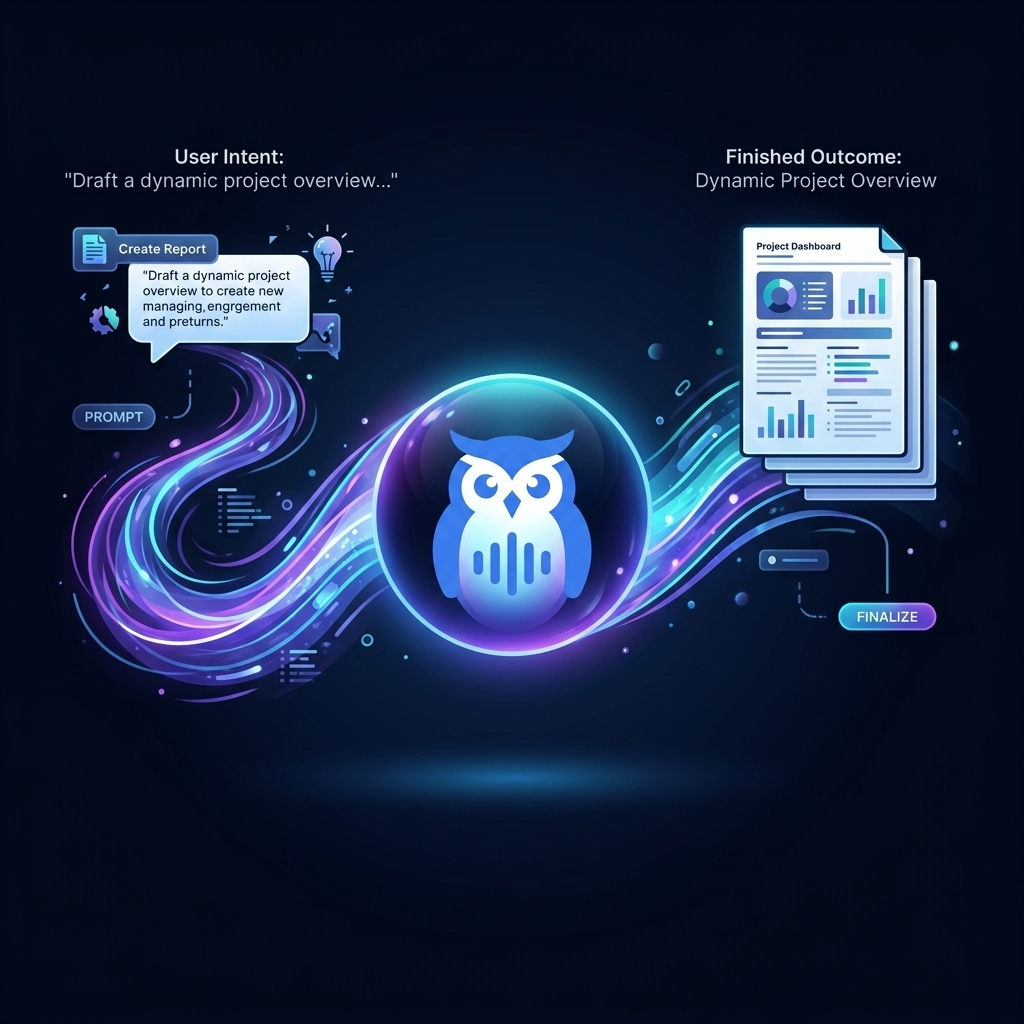
The EngineWhat "Intent-to-Outcome" Actually Means
At its core, Owlfy is an intent-to-outcome engine. It understands what the user wants, selects the right agents and skills, plans the execution sequence, runs it automatically, and delivers the result directly to the desktop — without the user needing to know how any of it works.
That last clause is the whole point. Most AI desktop agents — OpenClaw included — hand you the controls and expect you to know how to drive: which tool to call, in what order, with what parameters. Owlfy keeps the controls and just shows you the destination.
- Understands intent Interprets what you actually want, not just the literal words you used.
- Selects agents and skills Dynamically picks the right combination from its library — you never name a tool.
- Plans the sequence Builds the execution order, sets permission guardrails, and calls sub-agents as needed.
- Runs it automatically Executes the full pipeline, validates the results, and corrects course without you watching.
- Delivers the outcome The finished result lands on your desktop — not a transcript of steps you still have to act on.
The Translation ProblemWhen Your Instructions Are a Mess, Owlfy Still Gets It Right
Owlfy also interprets instructions that are incomplete, incoherent, or just poorly worded — combining them with your existing context to infer true intent and construct the precise, well-formed directives that downstream agents and skills need to execute reliably.
This matters because of how people actually talk. Nobody says "convert the following batch of MP4 files to H.264-encoded MOV containers at the original bitrate." They say "clean up these videos." They say "send this to the team." Incomplete. Contextless. Ambiguous to any agent that only accepts plain text input — which is exactly the position OpenClaw puts you in.
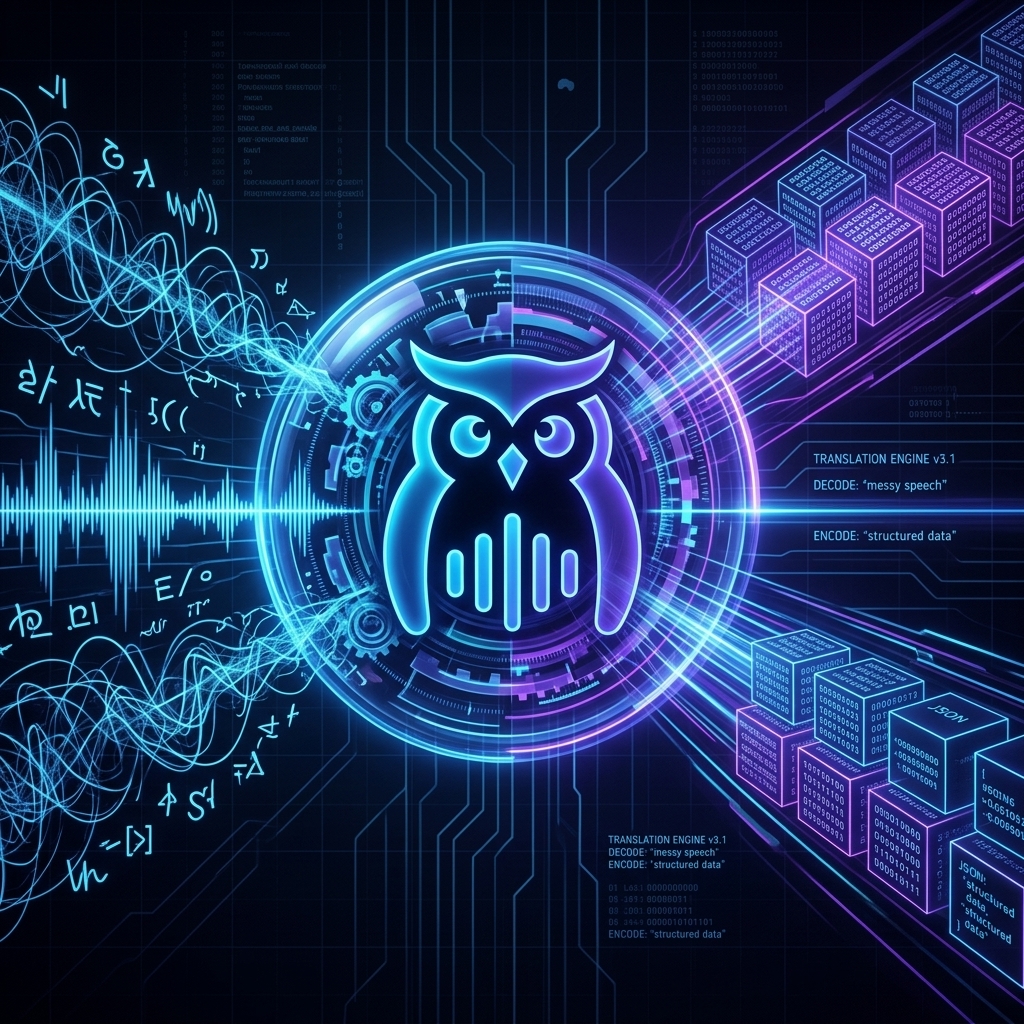
"Owlfy sits between the user and the agents: it reinterprets the raw, imperfect instruction, combines it with the user's prior conversation history and personal context, and produces a precise, executable directive that agents can reliably act on."
The same vague instruction that fails a cloud agent — or stalls out waiting for you to rewrite it as a proper OpenClaw command — returns output aligned to your real working context when it's routed through Owlfy. You write less, prompt less, and spend less cognitive effort getting to a result you actually wanted.
Why This MattersThe Structural Problem With Every Other AI Agent
The underlying challenge is structural, not cosmetic. Today's agent frameworks require well-constructed, detailed prompts to return consistent output. But real users do not speak in well-constructed prompts — and no amount of better documentation fixes that, because the gap is between how people think and how agents listen.
This is the wall OpenClaw runs into. It is genuinely capable once it receives a correct, technically-formed command — but it has no layer for turning a rough human request into that command. The user has to already think like the system. Owlfy inverts that relationship: the system learns to think like the user.
OrchestrationOwlfy Plans the Work So You Don't Have To
Owlfy also handles the entire question of how a goal gets accomplished. As an AI desktop agent, you never need to know which agents to call, which tools to use, or how to sequence a workflow. You state what you want. Owlfy determines the path: dynamically selecting the right agents and skills, generating the execution flow, setting permission guardrails, calling sub-agents, validating results, and delivering the completed outcome directly to your desktop.
It even acts on what you've already selected. Highlighting a block of text or selecting a folder of files triggers task execution against that exact selection — immediately, without a single extra word of instruction.
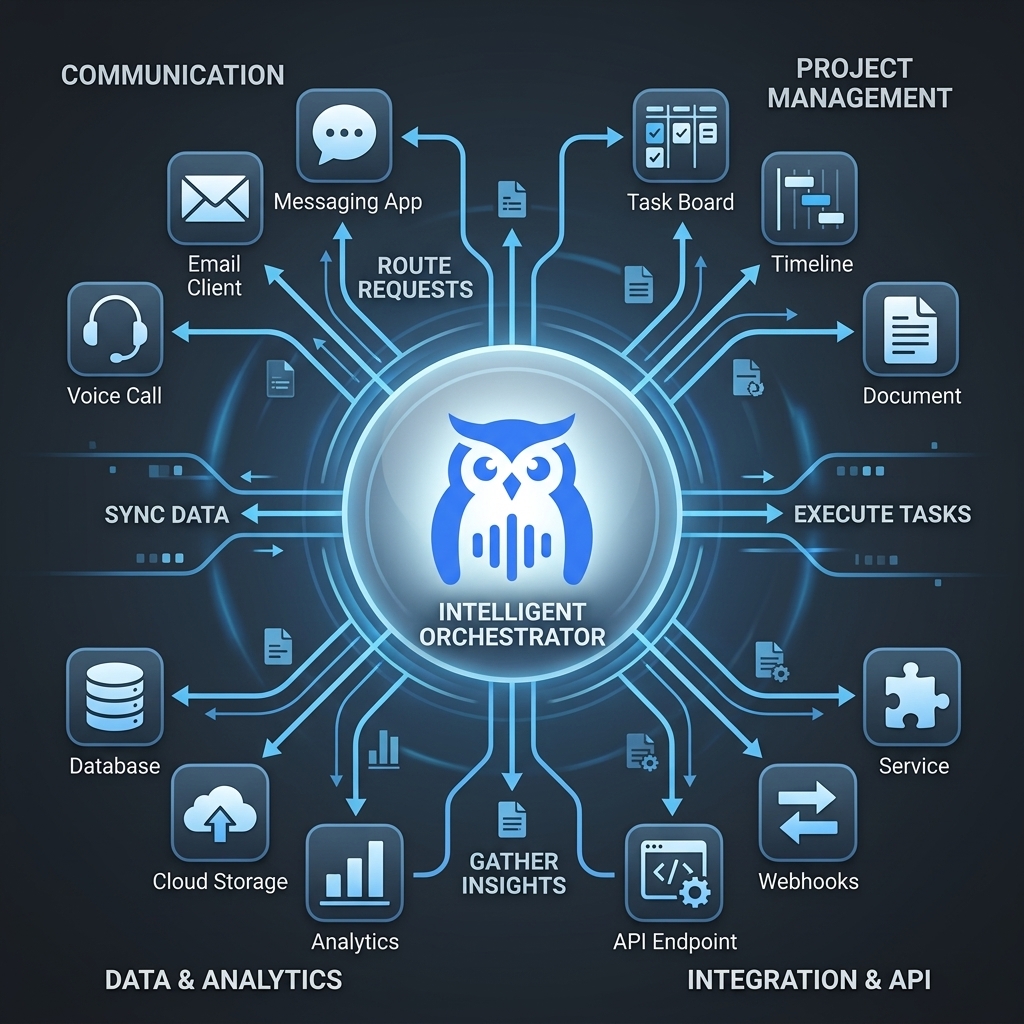
You state the goal
"Summarize my unread emails." No tool names, no parameters, no syntax.
Owlfy builds the plan
It selects the right agents and skills and sequences them automatically.
The outcome arrives
A finished result on your desktop — not a list of steps for you to run yourself.
Beyond PromptsSkip the Software Stack, Skip the Learning Curve
Beyond the physical barrier of typing and the cognitive barrier of prompting, Owlfy eliminates a third barrier most AI tools ignore entirely: the specialized software and learning-curve tax. Video editing, batch image processing, audio production, document conversion, and spreadsheet automation have traditionally required installing dedicated software, subscribing to multiple services, and investing hours learning each tool's interface.
With Owlfy, you skip all of it. No installation. No subscription stack. No tutorial videos. You go straight from a spoken sentence to a completed mission.
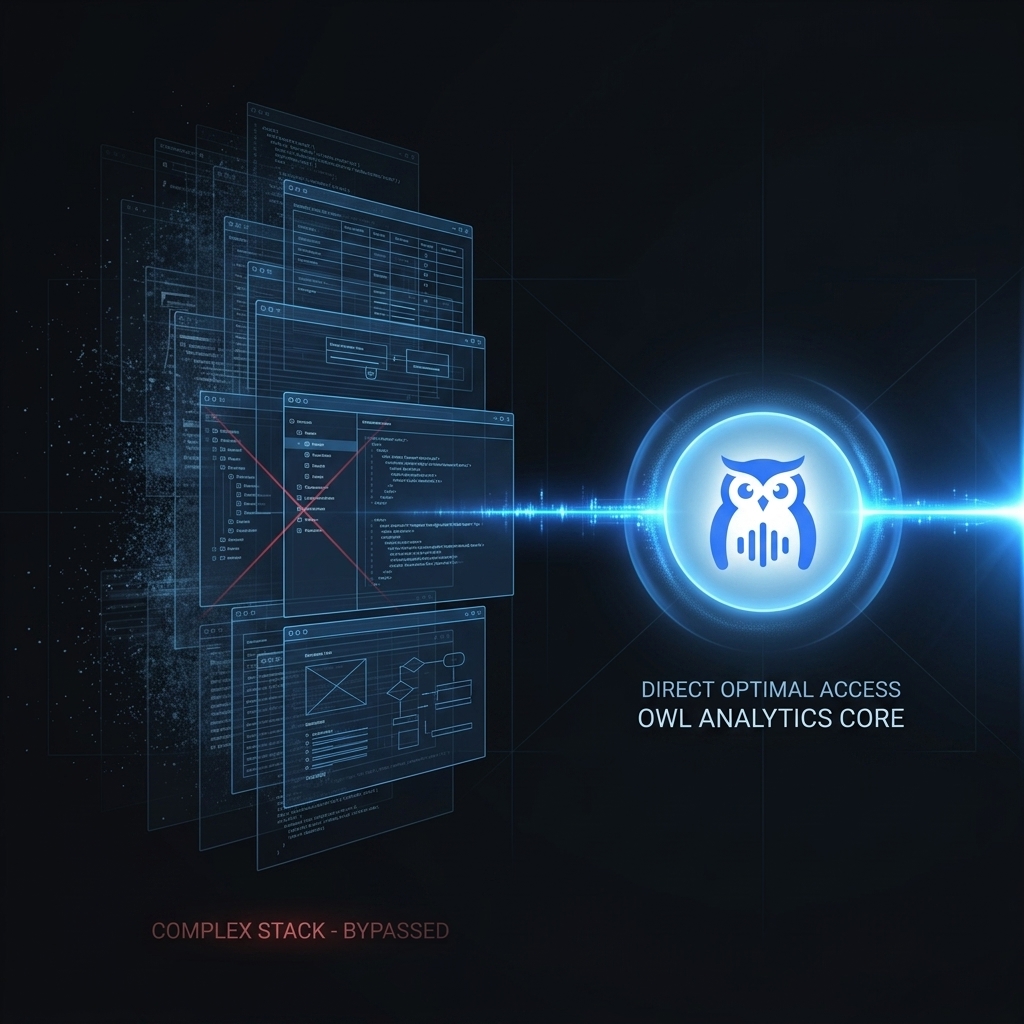
- "Remove the fillers from these three clips and export as MP4." No timeline editor, no render settings menu.
- "Enhance all of these and remove the background." An entire photo batch processed without opening an editor.
- "Pull the audio out of this and add background music." No DAW, no plugins, no format research.
- "Convert these to PDF and merge them in order." Document conversion handled without a dedicated converter app.
This is the difference between voice control and voice command. Built-in tools like Windows Voice Access let you click and type with your voice — useful, but you're still operating the same software stack by hand. Owlfy is voice control over the entire outcome: it skips the software stack altogether and goes straight to the result, which is what turns it into one of the more capable AI productivity tools available on the desktop today.
Two PhilosophiesOwlfy vs. OpenClaw: Who Does the Thinking?
OpenClaw proved that an AI desktop agent capable of running real workflows is possible today. It did not solve who carries the thinking. In OpenClaw, the user supplies the structure. In Owlfy, the system does.
| Dimension | OpenClaw | Owlfy |
|---|---|---|
| Instruction format | Typed, explicit, technically correct commands | Natural speech — incomplete or vague is fine |
| Workflow planning | Manual — user or developer sequences each step | Automatic — Owlfy plans and sequences the pipeline |
| Agent / tool selection | User names the tool or agent directly | Owlfy selects agents and skills dynamically |
| Task concurrency | One task at a time | Runs multiple tasks in parallel while you keep working |
| Acting on a selection | Requires a separate explicit instruction | Highlighted text or selected files trigger execution immediately |
| Setup to get here | Python, Node.js, API keys, configuration | Download and speak |
This is the real dividing line between the two products. OpenClaw gives you a powerful engine and asks you to be the mechanic. Owlfy gives you the same destination and asks only that you say where you're going — making it function less like an agent framework and more like a true AI desktop agent for everyday use.
Wondering exactly how OpenClaw's setup compares? See our full setup & safety breakdown →Stop prompting. Start instructing.
Owlfy turns what you say into what you needed — no setup, no syntax, no software stack to learn.